Dossier structure
Sections, administrative documents and technical summaries.

Structure a coherent dossier, understand authority expectations and prepare technically robust responses through a practical approach.
From strategy to final dossier
The course explains the assessment logic for a plant protection product and the links between every scientific and administrative section.
Practical approach
Checklists, case studies, document analysis and dossier-preparation simulations.
Sections, administrative documents and technical summaries.
Physicochemistry, toxicology, residues, ecotoxicology and efficacy.
References, methods, GLP/GEP and document consistency.
Case studies and guided dossier-preparation exercises.
Programme
32 hours in person, including workshops and simulations.
Law 34-18, applicable texts, competent authority, obligations, definitions and scope.
Administrative and technical requirements, study compliance, references and dossier organization.
Specifications, purity, composition, stability, physicochemical properties and analytical methods.
ADI, AOEL, NOAEL, exposure, residues, ecotoxicology and an integrated case study.
Regulatory architecture
Cross-sectional reading ensures consistency between the product, studies, uses and conclusions.
Identity, authorizations, certificates, declarations, labelling and legal documents.
Specifications, composition, properties, stability and analytical methods.
Toxicity, genotoxicity, reference values and operator risk assessment.
Metabolism, residue trials, MRLs and dietary exposure.
Non-target organisms, environmental fate and risk assessment.
GEP trials, efficacy, selectivity, rates, uses and agronomic justification.
Target audience
Designed for companies, consultants, GEP organizations and regulatory professionals.
Registration managers, project leaders and regulatory assistants.
Engineers, scientific experts and study managers.
Teams involved in compliance and product market access.
Practical information
Bilingual French/English support is available depending on session organization.
Before 15 October 2026.
After 15 October 2026.
Lunch, two coffee breaks per day, course materials and attendance certificate.
First edition and community
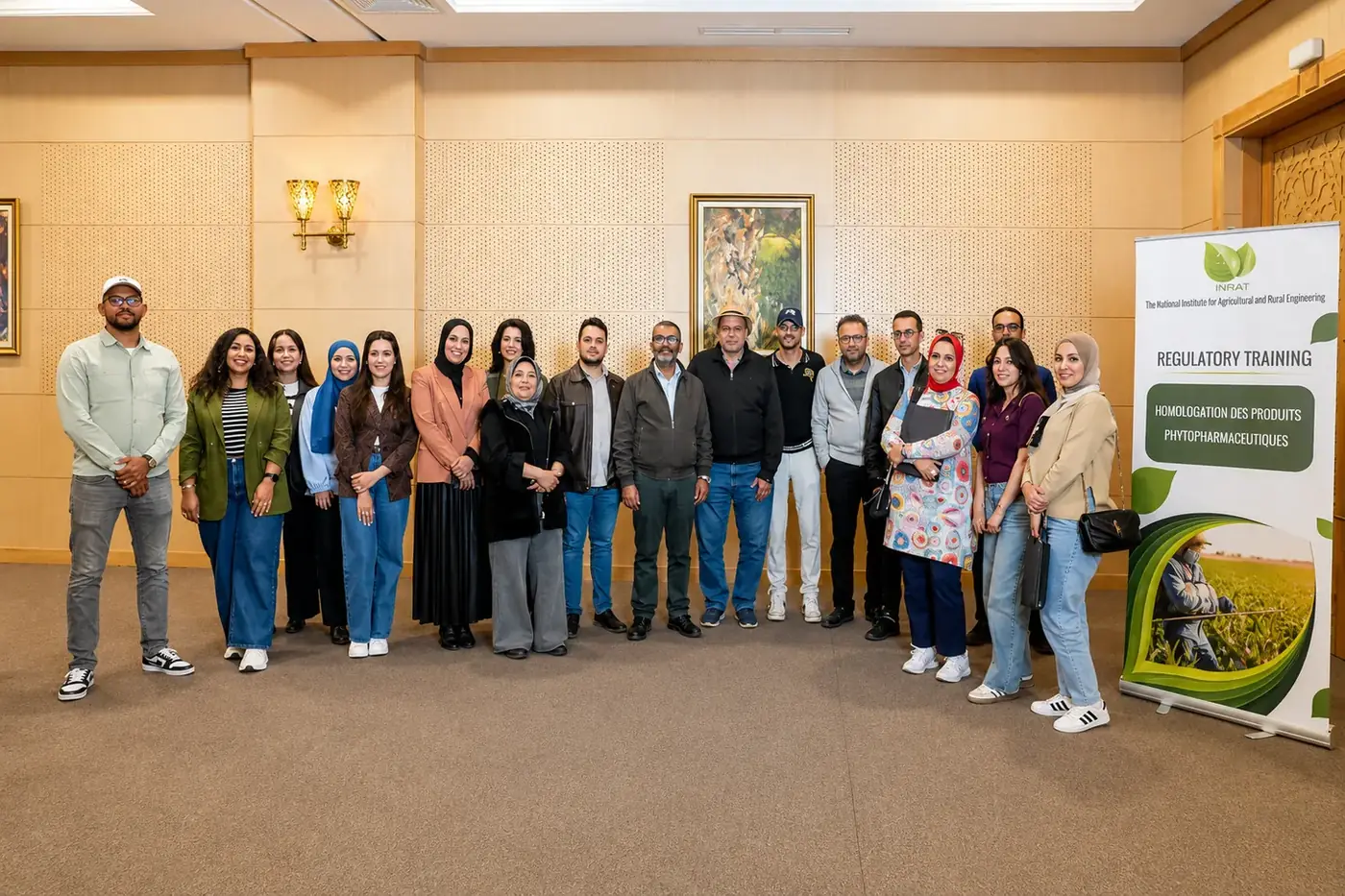
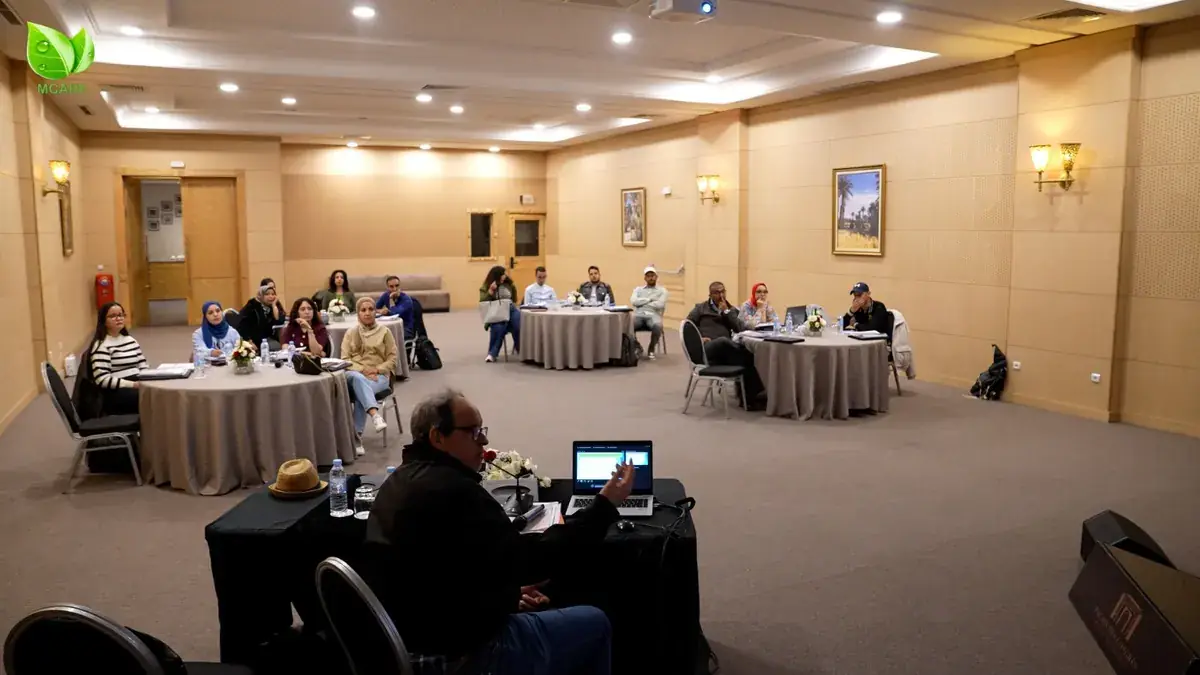
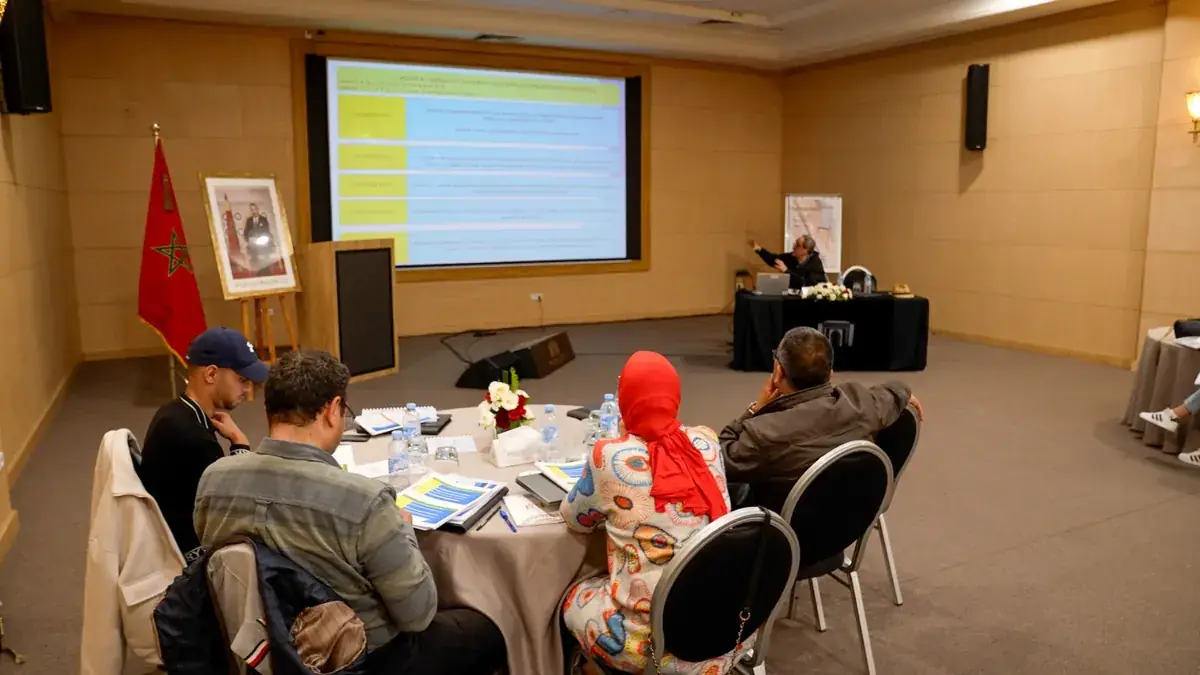
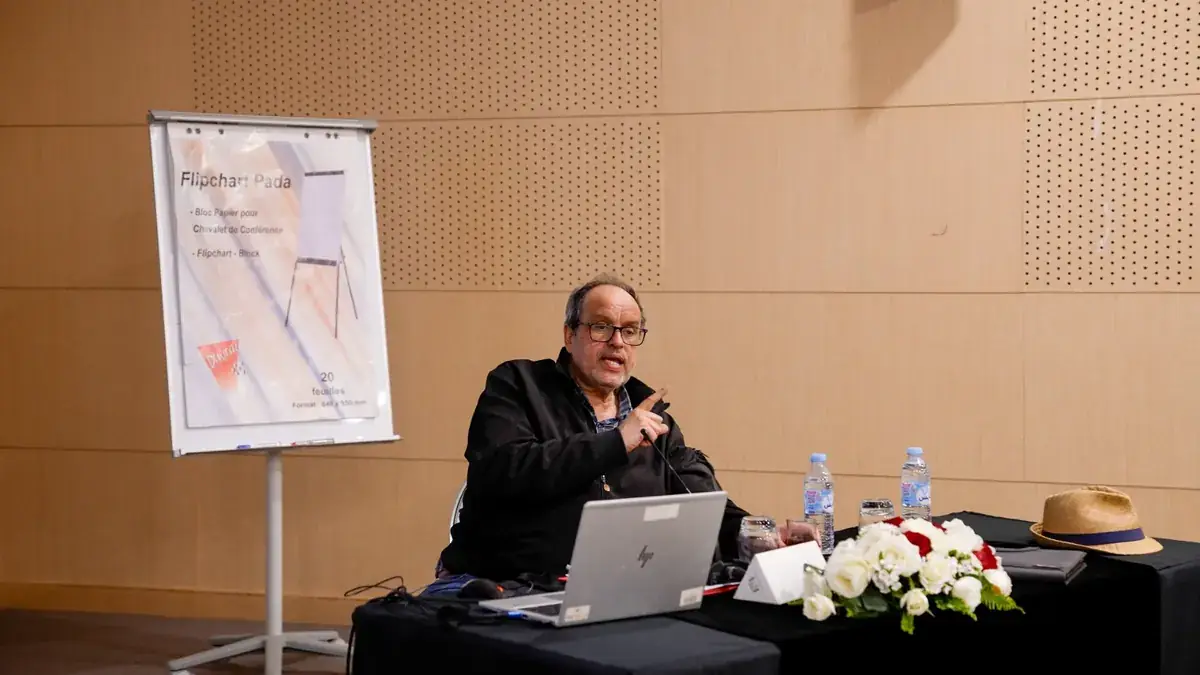
Real photographs from the first edition illustrate the classroom work, workshops, discussions and group dynamic.